

Mar. 04, 2024
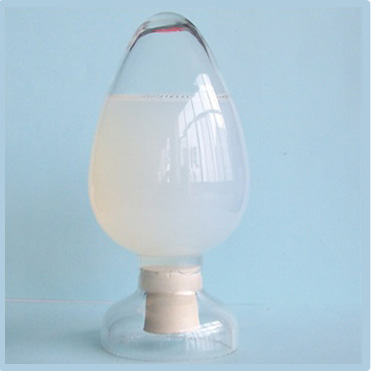
Silica sol, also known as colloidal silica or silica nanoparticles, is a stable suspension of silicon dioxide (SiO2) particles in water. It finds a wide range of applications across various industries due to its unique properties and versatility. Let's explore the uses of silica sol and its significance in different fields:
1. Binder in Investment Casting: Silica sol is commonly used as a binder in investment casting processes, where intricate metal parts are cast from wax patterns. It helps create a ceramic shell around the wax pattern, providing excellent surface finish and dimensional accuracy in the final metal casting.
2. Coating and Adhesives: Silica sol is utilized as a key ingredient in coatings and adhesives formulations. It acts as a binder, providing adhesion and durability to coatings, paints, and adhesives, while also enhancing their resistance to moisture, chemicals, and UV radiation.
3. Catalyst Support: Silica sol serves as a support material for catalysts in various chemical reactions. Its high surface area and porosity make it an ideal substrate for anchoring catalytic species, improving the efficiency and selectivity of catalytic processes in industries such as petrochemicals and fine chemicals.
4. Abrasion and Scratch Resistance: Silica sol is incorporated into coatings and surface treatments to impart abrasion and scratch resistance to substrates such as glass, ceramics, and metals. By forming a durable and protective layer, silica sol helps extend the lifespan and enhance the performance of coated surfaces in applications ranging from automotive to electronics.
5. Textile and Leather Treatment: Silica sol is utilized in textile and leather industries for imparting water repellency, stain resistance, and wrinkle resistance to fabrics and leather goods. It acts as a finishing agent, improving the durability and appearance of textiles and leather products without altering their breathability or texture.
Suggested reading:6. Paper and Packaging: Silica sol is added to paper coatings and packaging materials to enhance their strength, moisture resistance, and printability. It improves the surface smoothness and ink adhesion of paper products, leading to sharper print quality and better packaging performance in food, pharmaceutical, and other industries.
7. Polishing and Abrasive Applications: Ultra high purity Silica Sol is used as a polishing agent and abrasive in various manufacturing processes, including precision optics, semiconductor fabrication, and metal polishing. Its fine particle size and uniform distribution enable controlled material removal and surface finishing, resulting in smooth and defect-free surfaces.
8. Ceramic and Composite Materials: Silica sol is employed in the production of ceramic and composite materials, where it acts as a binder, filler, or reinforcement agent. It enhances the strength, toughness, and dimensional stability of ceramic bodies, refractory materials, and composite matrices, contributing to improved performance in structural and functional applications.
9. Water Treatment: Silica sol is utilized in water treatment processes for flocculation, coagulation, and particle removal. It helps clarify and purify water by aggregating suspended solids and facilitating their separation from the liquid phase, leading to improved water quality and treatment efficiency in municipal and industrial wastewater treatment plants.
In summary, silica sol offers a wide range of applications across industries, from investment casting and coatings to catalyst support and water treatment. Its unique properties as a binder, stabilizer, and surface modifier make it a valuable additive in various manufacturing processes, contributing to enhanced performance, durability, and efficiency in diverse applications.Learn more
Previous: What are the benefits of Polyester mesh belts?
Next: None
Related Articles
If you are interested in sending in a Guest Blogger Submission,welcome to write for us!







All Comments ( 0 )